What lies beyond our known universe?
In this article, universe refers to our own universe, while multiverse refers to the entirety of all universes.
Shape of Universes
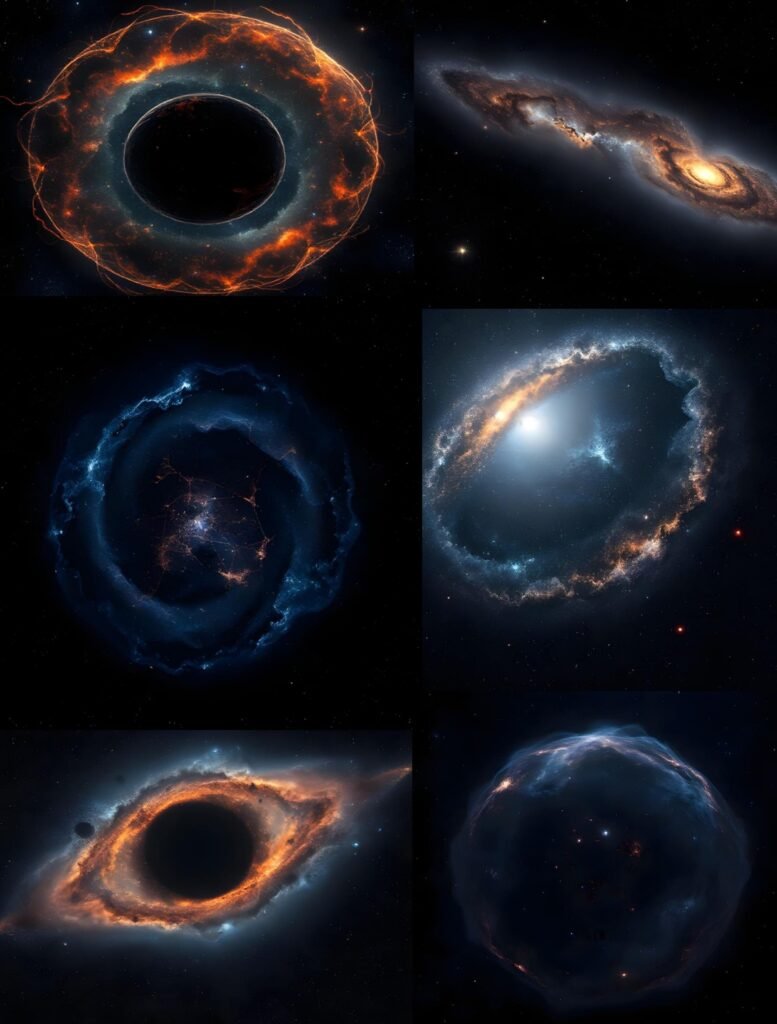
We don’t know the shape of our universe or of any universe. We don’t know whether they are all alike or fundamentally different; whether they are flat, hyperspherical, donut-shaped, or something entirely different. We also don’t know their ages or how different universes might influence one another. But one thing is clear: space itself cannot simply end.
Structure of Multiverse
The multiverse comprises an infinite number of universes of different ages and sizes. It is not a static or unchanging system. Every universe is constantly evolving, just as the galaxies, stars, nebulae, black holes, and other celestial objects within them are constantly changing.
Although our current technology is insufficient to detect anything beyond our own universe, we can still imagine what might exist there.
Imagine choosing a distant star in the night sky and drawing a perfectly straight line from yourself to it through three-dimensional space. Continue that line beyond the star, through our galaxy and countless others. Eventually, after unimaginable distances, it reaches another universe. It passes through that universe as well, continues onward through another immense expanse, and eventually reaches yet another universe and so on, forever.
We don’t know how our universe came into being or what its ultimate fate will be. Was it born from the remnants of a previous universe, or from the collision and merging of neighboring universes? Will it continue expanding forever, contract, or eventually merge with another universe?
The multiverse is eternal and infinite. Its immense scale may be one reason why humanity has not yet encountered civilizations far more advanced than our own. Another possibility is that such civilizations could visit us without us ever realizing it.
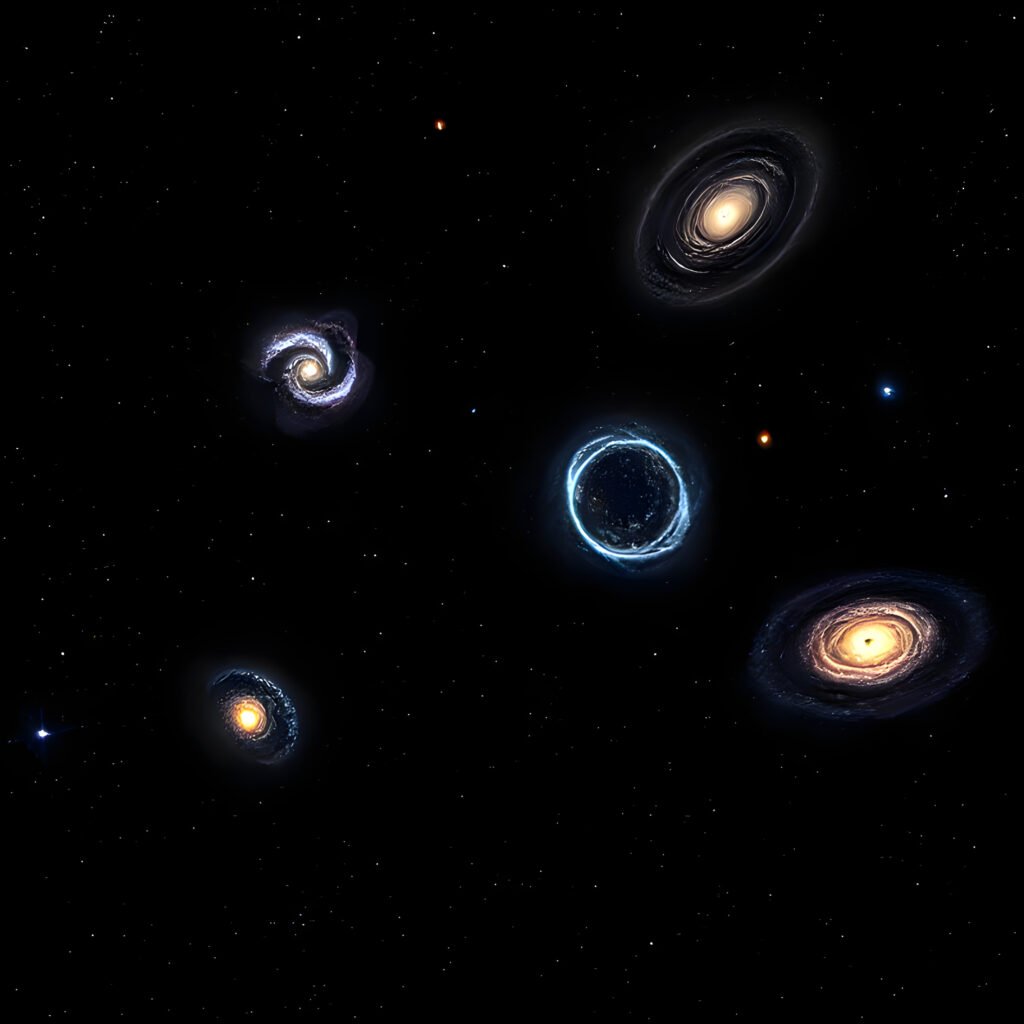
Some theories suggest that an infinite number of identical universes exist, including exact copies of our own. According to this idea, each of us would have counterparts living parallel lives in other universes.
I see things differently. To me, every universe is unique. Even if space and the amount of matter are infinite, that does not necessarily imply that universes must repeat themselves. The number of possible evolutionary paths is also infinite, making every universe the product of its own history. The multiverse may be infinite, but that does not mean it contains endless copies of the same reality.
These ideas form the foundation of my science fiction novel Discovery: Prelude to a New Era. It explores the possibility that intelligent civilizations have lived in universes that formed, flourished, and disappeared long before our own universe was born. As the story unfolds, the main characters journey beyond our own universe and encounter civilizations whose understanding of life and the multiverse far surpasses our own.